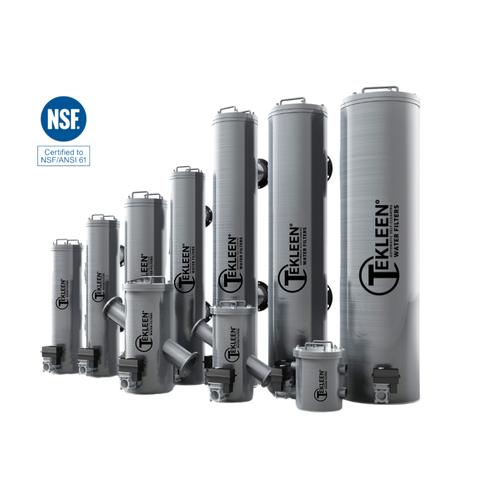
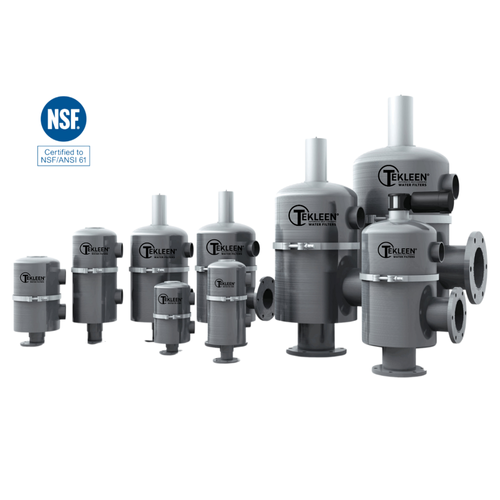
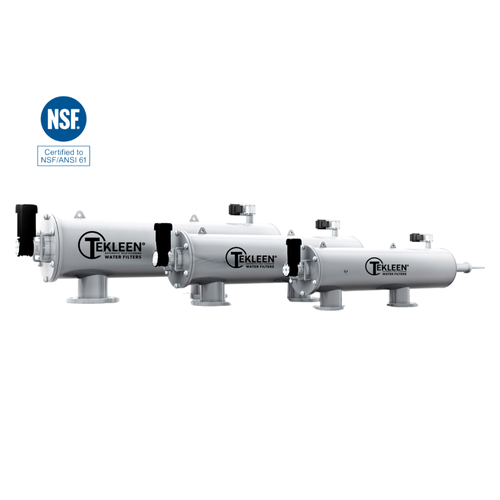
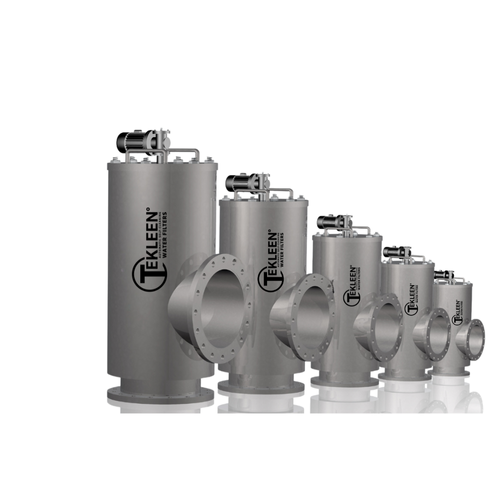
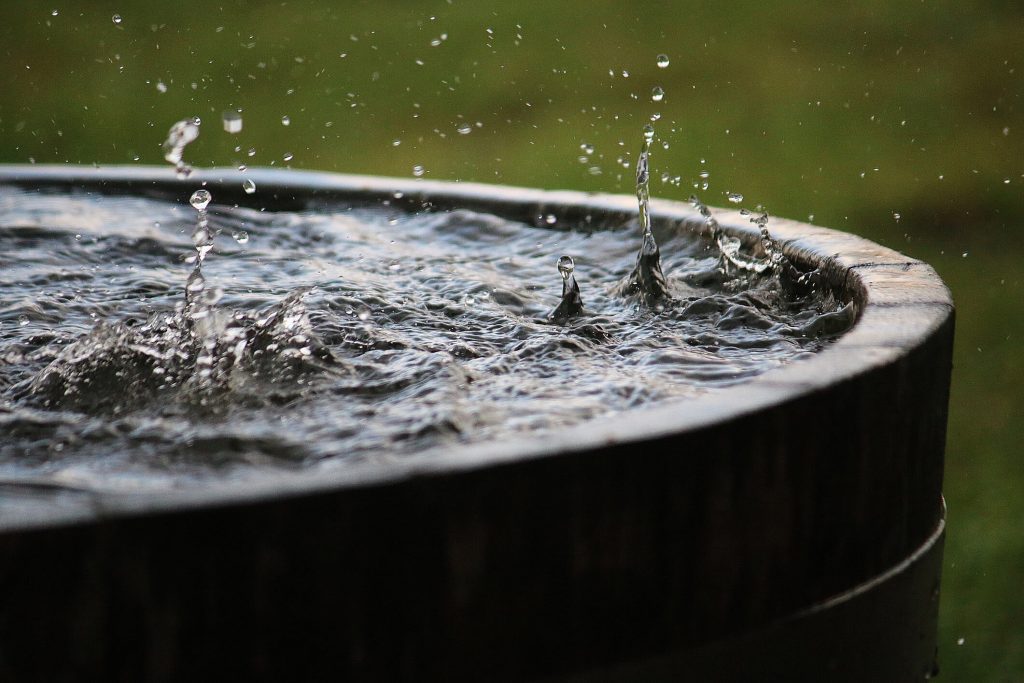
Rainwater harvesting systems depend on effective filtration because collected water can carry leaves, roof debris, sediment, organic matter, dirt, and other suspended solids that affect storage, distribution, and end use. When these contaminants are not removed, they can settle in tanks, reduce water quality, clog downstream equipment, and increase maintenance demands throughout the system. Better filtration helps remove unwanted solids before the harvested water is used for irrigation, cleaning, or other non-potable applications, supporting cleaner water and more reliable operation over time.
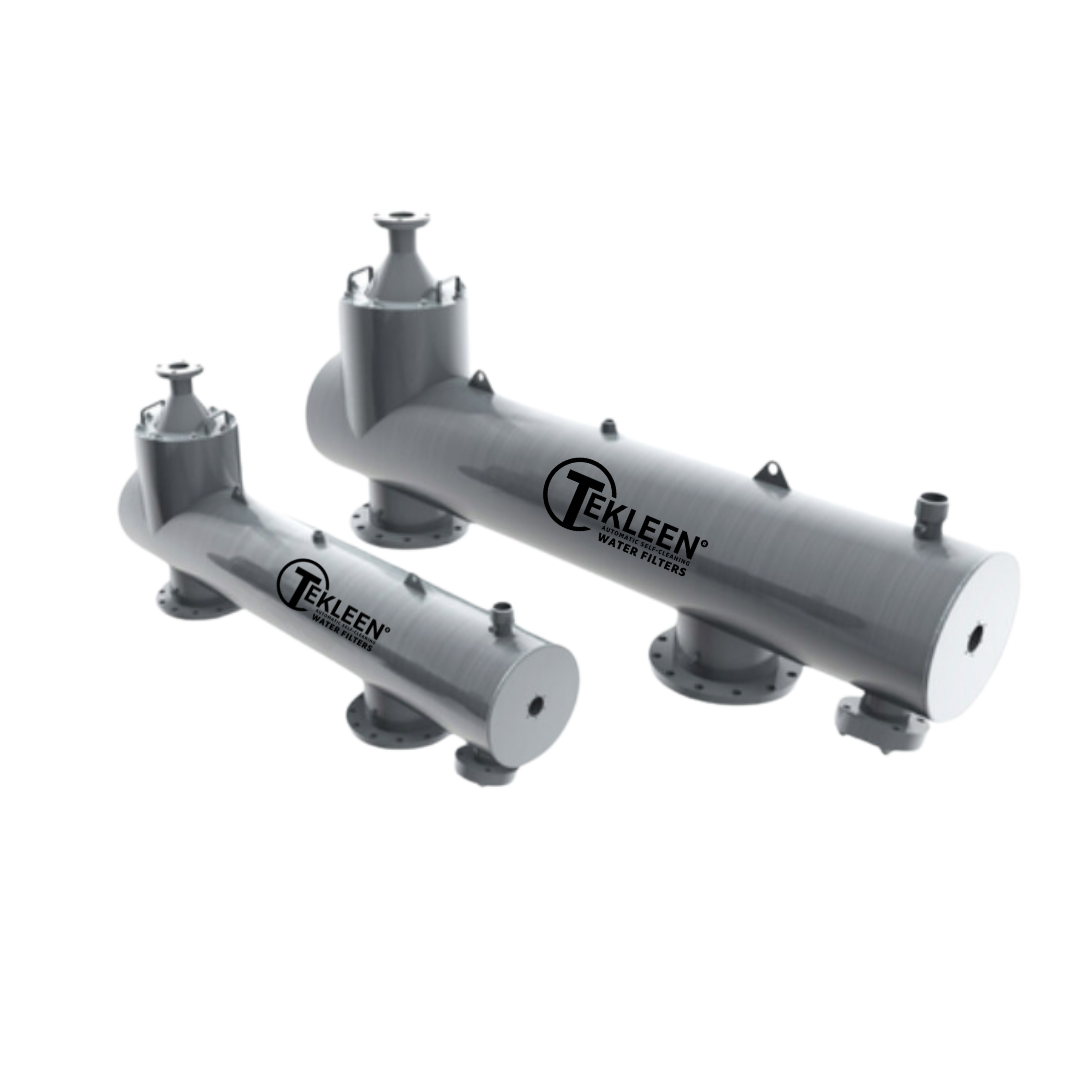
Self-Cleaning Water Filters for Rainwater Harvesting are especially useful where collected water quality changes with weather, catchment conditions, seasonal debris, and storage methods. Automatic filtration helps maintain performance without frequent manual cleaning, which is valuable in industrial, irrigation, and municipal systems that need dependable water quality with minimal labor. By reducing suspended solids before the water reaches pumps, valves, nozzles, and reuse points, better filtration helps protect downstream equipment and improve day-to-day system performance.
In many rainwater systems, filtration is one of the most important steps in preparing the water for its intended use. The current page already notes that the right filtration system depends on the volume of water harvested, the contaminants present, and whether the water will be used for drinking, irrigation, or cleaning. Adding stronger supporting content around these conditions helps improve topical relevance while staying aligned with what is already published on the page. Dependable filtration can also help reduce downtime, improve maintenance efficiency, and support long-term reliability where harvested rainwater is part of a broader water management strategy. :contentReference[oaicite:1]{index=1}
Automatic self-cleaning filtration is also a practical option where operators want to reduce maintenance while keeping water moving through the system. For more background, visit Filtration 101, compare Tekleen vs. Traditional Methods, and review more guidance in the Technical Resources section. These internal links also help address the page’s internal-link gap while directing visitors to relevant Tekleen resources that already exist on the site. :contentReference[oaicite:2]{index=2}
For external reference material, review rainwater harvesting guidance from the U.S. EPA Soak Up the Rain program and broader environmental water-quality information from the U.S. Environmental Protection Agency. These are standard outbound links, not nofollow links, so they help fix the external-link warnings while also giving visitors useful information related to rainwater collection, runoff management, and water reuse. :contentReference[oaicite:3]{index=3}