Petrochemical
Automatic Self-Cleaning Water Filters for Petrochemical
Self-Cleaning Water Filters for Petrochemical
Cooling water and utility water filtration and pollution control for petrochemical refineries. Fouling of pipes and heat exchanging surfaces lowers the thermal efficiency of the system.
Fouling also increases the friction losses and induces erosion, corrosion, and energy waste by increasing the demand for a higher flow rate. Other problems include the plugging of spray nozzles, blinding of sensors, analyzers, as well as the wearing down of pump gland seals, scrubbers, misters, membranes, and ion exchanger columns. These issues cause unscheduled shutdowns for maintenance and cleaning and the loss of many production hours.
Filtration is one of the simplest and most convenient ways of solving these problems. Tekleen self-cleaning water filters provide the ultimate solution where dirty water is a problem. The filters operate on line pressure alone. The self-cleaning process is triggered by a pressure differential and is accomplished in seconds without interrupting the main flow. The filters are compact in size and designed to meet a variety of industrial applications. ASME code stamp vessels are also available as an option.
Applications Diagrams
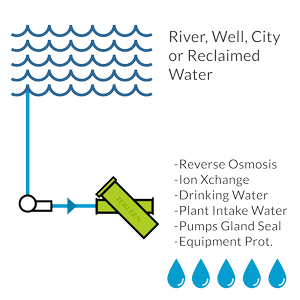
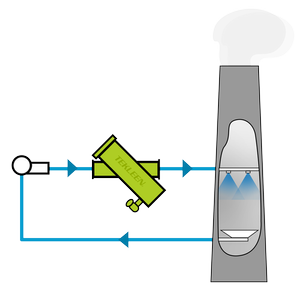
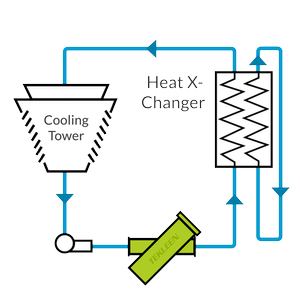
You're in Good Company
Protect Your Petrochemical System with Tekleen
Tekleen automatic self-cleaning filters deliver reliable, high-efficiency water filtration with minimal maintenance, ensuring superior performance for industrial, irrigation, and municipal applications.
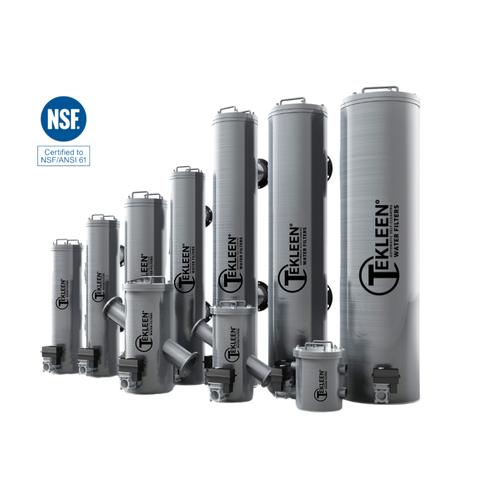
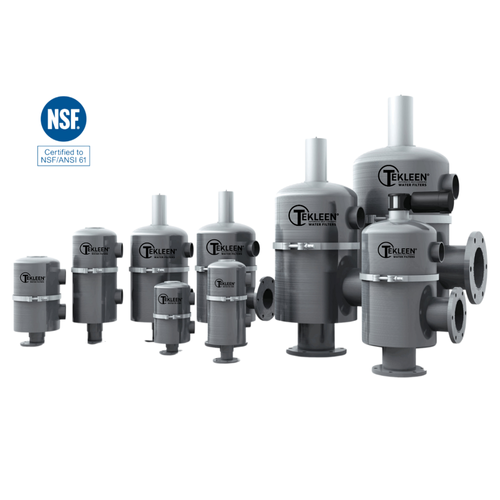
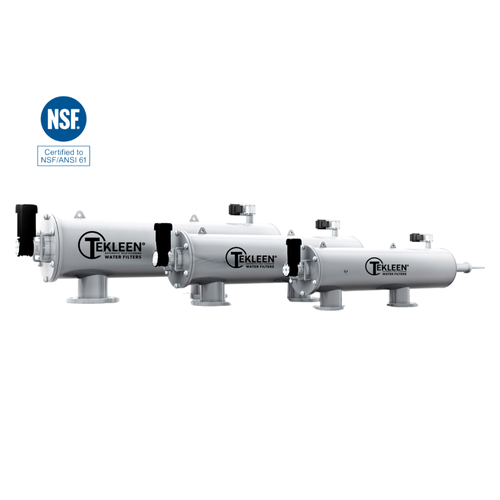
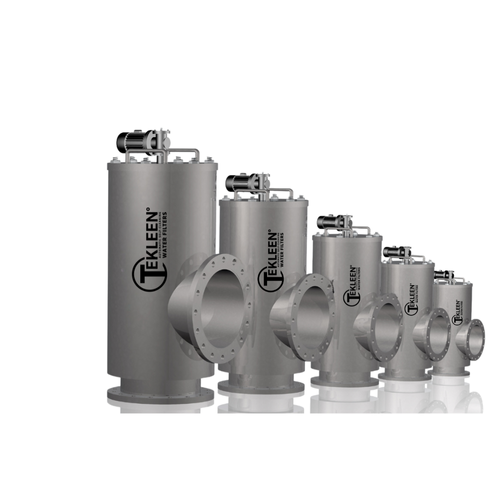
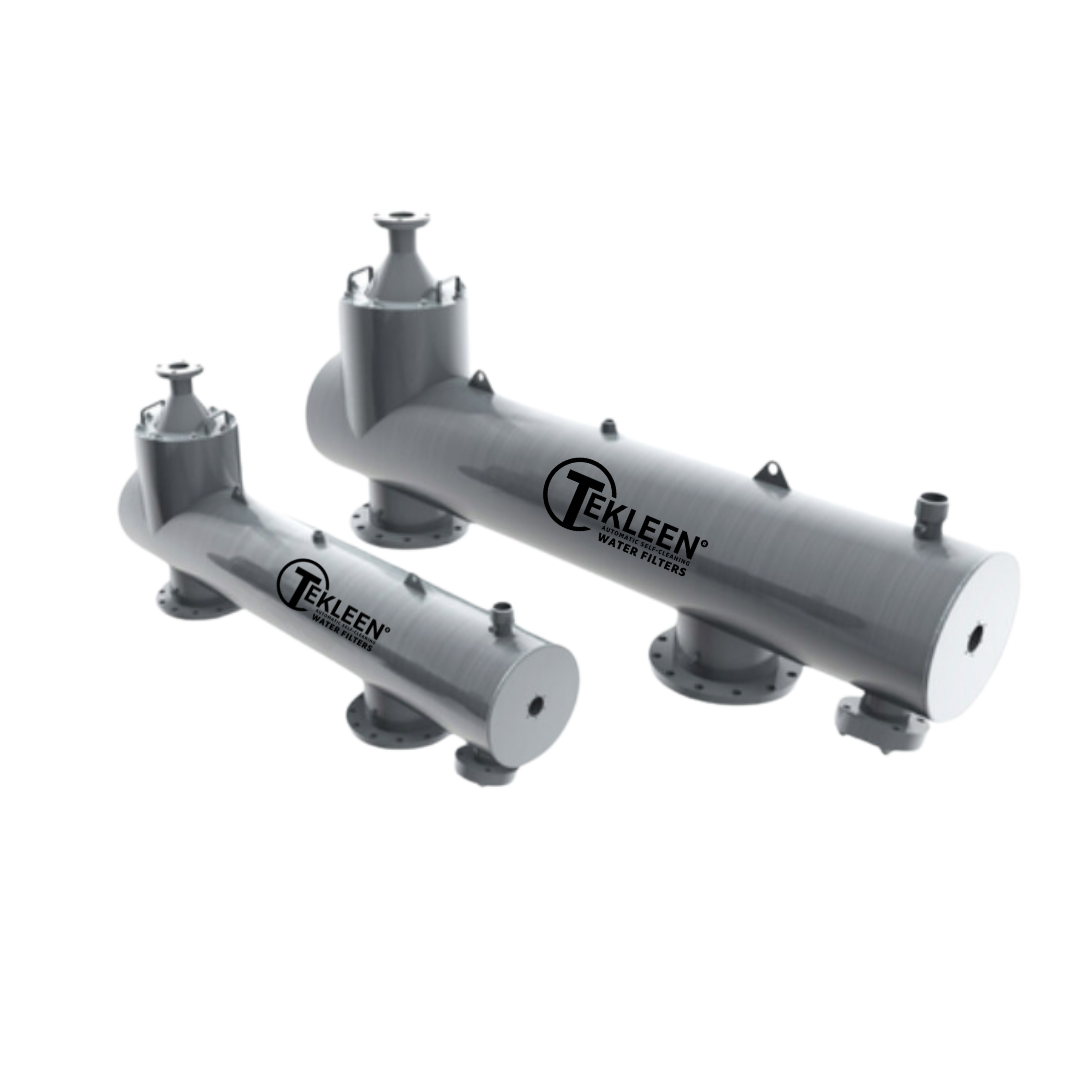
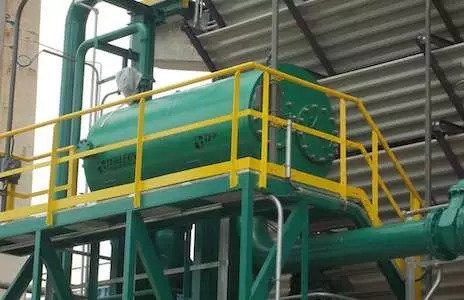
Self-Cleaning Water Filters for Petrochemical
Cooling water and utility water filtration are critical in petrochemical facilities where solids, debris, and fouling can quickly reduce system efficiency.
Self-cleaning water filters for petrochemical applications help protect heat exchangers, spray nozzles, sensors, analyzers, membranes,
and pump seals from the damaging effects of suspended solids. In refineries and petrochemical plants, even small particles can create large operating problems
when they accumulate inside process systems or cooling loops.
Fouling of pipes and heat exchanging surfaces lowers thermal efficiency and can increase friction losses throughout the system. As deposits build up, plants may
experience higher energy demand, erosion, corrosion, blinding of instruments, plugging of spray nozzles, and more frequent maintenance shutdowns. These issues
do not only affect equipment performance; they also reduce reliability and lead to lost production hours. A filtration solution that operates continuously and
automatically is often one of the most effective ways to improve uptime and reduce manual cleaning.
Tekleen automatic self-cleaning water filters are designed to deliver efficient filtration without interrupting the main flow. The cleaning process is triggered
by pressure differential and completed in seconds while the system remains online. This allows petrochemical operators to maintain filtration performance with
minimal labor and virtually no process disruption. For facilities looking to reduce downtime and simplify maintenance, self-cleaning filtration provides a more
dependable alternative to manual basket or screen cleaning.
Why Petrochemical Facilities Use Automatic Filtration
Petrochemical operations often handle water from sources that contain sand, scale, rust, algae, silt, and other suspended matter. When these contaminants enter
cooling water or utility water systems, they can collect on heat transfer surfaces, restrict flow, and interfere with downstream equipment.
Self-cleaning water filters for petrochemical systems help remove these solids before they create costly operational problems.
Because petrochemical plants run continuously, maintenance teams need filtration equipment that can keep pace with demanding operating conditions. Automatic
self-cleaning filters support uninterrupted operation by cleaning the screen without shutting down the system. This improves consistency, helps maintain pressure,
and reduces the labor required to keep water systems performing properly.
Common Petrochemical Applications
Self-cleaning filtration is commonly used in petrochemical facilities for cooling water, utility water, heat exchanger protection, scrubbers, spray nozzles,
process support systems, and general pollution control applications. These filters help prevent plugging and fouling in critical components while supporting more
stable system performance. They are also a practical solution where water quality varies or where manual cleaning would create unnecessary downtime.
In cooling water systems, filtration helps preserve thermal efficiency by limiting the buildup of solids on heat exchange surfaces. In utility water systems,
automatic filtration protects downstream equipment and reduces wear on pumps, valves, and instrumentation. In both cases, keeping solids out of the system can
extend equipment life and improve reliability across the plant.
Benefits of Self-Cleaning Water Filters for Petrochemical
- Reduce fouling on heat exchangers, pipes, and cooling system components
- Help prevent plugging of spray nozzles, sensors, and analyzers
- Lower maintenance requirements and reduce unscheduled shutdowns
- Support continuous operation without interrupting the main flow
- Improve efficiency by limiting friction losses and unnecessary energy waste
- Provide compact, reliable filtration for demanding industrial environments
For many operators, the biggest advantage is the ability to maintain water filtration performance with less manual intervention. Instead of stopping production
to clean clogged filter elements, the self-cleaning cycle takes place automatically. This can translate into lower maintenance costs, better process stability,
and more available production time.
Supporting Reliable Plant Performance
Filtration is one of the simplest and most effective ways to improve petrochemical water system reliability. By removing suspended solids before they reach
sensitive equipment, self-cleaning water filters for petrochemical operations help facilities maintain cleaner systems and reduce the impact
of dirty water. This is especially important in applications where fouling, corrosion, and plugging can quickly affect throughput and maintenance schedules.
Tekleen filters are built for industrial applications where performance, durability, and ease of operation matter. Their automatic cleaning design helps plants
respond to variable water quality without constant operator attention. For petrochemical facilities focused on protecting assets, reducing downtime, and improving
overall efficiency, automatic self-cleaning filtration is a practical long-term solution.
Learn More
For additional information on refinery and petrochemical operating practices, visit the
American Petroleum Institute.
For water quality, industrial water, and environmental guidance, review resources from the
U.S. Environmental Protection Agency.
Use these in Rank Math:
Focus keyword: self-cleaning water filters for petrochemical
SEO title: Self-Cleaning Water Filters for Petrochemical | Tekleen
Title length: 57
Meta description: Self-cleaning water filters for petrochemical cooling water and utility water filtration. Reduce fouling, downtime, and maintenance with Tekleen.
Description length: 145
A few important notes:
The two outbound links above are normal links, not nofollow, which helps with the warning.
The content naturally repeats the focus keyword without overstuffing.
This should clear the low word-count issue because the section is well over 600 words when combined with the existing page.
I can also turn this into a version styled for Elementor, Gutenberg, or plain WordPress text editor.
no dont ediyt any content just add new part with all fixes
Thought for a few seconds
Got it — keep the existing page content untouched and only add a new section that fixes the Rank Math issues.
Paste this below the current page content:
Why Self-Cleaning Water Filters Matter in Petrochemical Operations
Petrochemical facilities rely on consistent water quality to keep cooling water, utility water, and related systems operating efficiently. When suspended solids, debris, and fouling materials enter these systems, they can reduce flow, lower heat transfer efficiency, and increase maintenance requirements. Adding reliable filtration helps protect critical equipment and supports more stable plant performance over time.
In many facilities, water quality conditions can change throughout the day due to source variations, process demands, or seasonal factors. When solids are not removed effectively, the result can be plugged nozzles, dirty heat exchangers, restricted piping, instrument issues, and unnecessary wear on downstream components. Filtration is an important step in reducing these risks and keeping systems running more smoothly.
Common Petrochemical Filtration Challenges
Petrochemical operations often face contamination from sand, silt, rust, scale, organic matter, and other suspended particles. These materials can collect inside cooling loops and utility water systems, creating fouling that affects efficiency and increases downtime. Once buildup begins, maintenance costs often rise because equipment must be cleaned more often and operators may need to respond to pressure loss or reduced system performance.
Automatic filtration helps reduce the burden of manual cleaning by supporting continuous removal of unwanted solids. In applications where uptime is important, filtration can help plants avoid unnecessary shutdowns while improving consistency across the system. This is especially valuable in demanding industrial environments where reliability, efficiency, and equipment protection are ongoing priorities.
Applications in Petrochemical Facilities
Filtration is commonly used in petrochemical facilities for cooling water, utility water, heat exchanger protection, spray nozzles, process support equipment, and general plant water management. Cleaner water can help reduce fouling, improve equipment life, and support better overall operation. By controlling suspended solids before they reach sensitive components, facilities can reduce maintenance frequency and improve system dependability.
These benefits are especially important where water is reused or where systems must operate continuously. Effective filtration can help maintain cleaner internal surfaces, preserve flow performance, and support better thermal efficiency. Over time, this contributes to lower maintenance demands and a more reliable operating environment.
Benefits of Automatic Self-Cleaning Filtration
- Helps reduce fouling in cooling water and utility water systems
- Protects downstream equipment from suspended solids and debris
- Supports more reliable flow and system performance
- Reduces manual cleaning requirements and maintenance frequency
- Helps minimize unplanned downtime in continuous operations
- Improves long-term equipment protection in industrial environments
For petrochemical plants focused on reliability and operational efficiency, filtration remains a practical way to improve water system performance. Cleaner water helps reduce the operational impact of solids and makes it easier to maintain critical equipment throughout the facility. In applications where fouling and plugging can quickly affect production, filtration provides measurable value.
Industry Resources
Learn more about industry standards and technical guidance from the
American Petroleum Institute
and review water quality and environmental resources from the
U.S. Environmental Protection Agency.