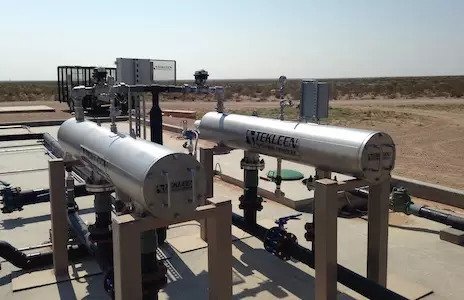
Oil production sites often operate under changing water conditions, which makes dependable filtration important for protecting equipment and maintaining performance. Water drawn from different sources may carry sand, silt, rust, scale, and other suspended solids that can interfere with production systems if they are not removed effectively.
When contaminants move through the system, they can contribute to plugging, fouling, abrasion, and added wear on critical components. Over time, this can increase maintenance demands, reduce operating efficiency, and create avoidable downtime that affects daily production targets.
Effective water filtration helps control these issues before they reach sensitive equipment. By reducing the amount of solids in the water stream, facilities can support cleaner operation in pumps, valves, spray nozzles, and related process equipment used during drilling and production procedures.
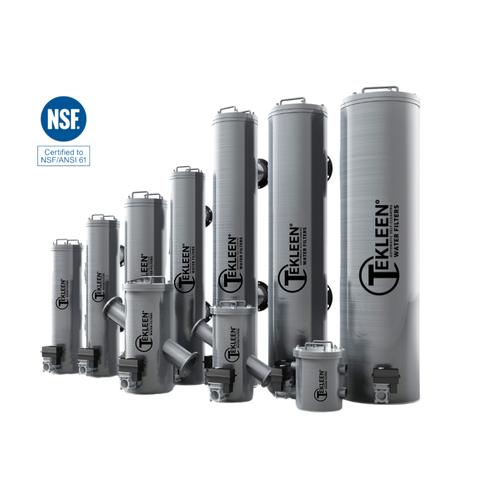
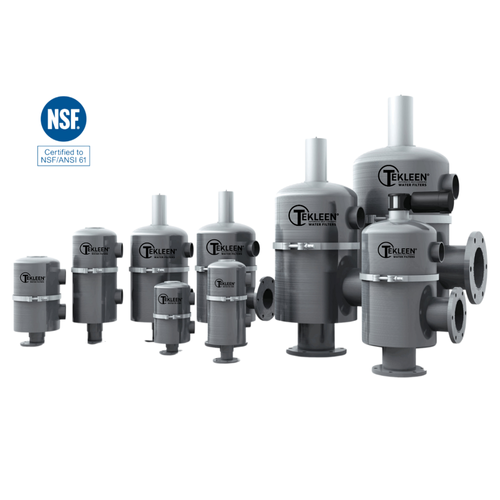
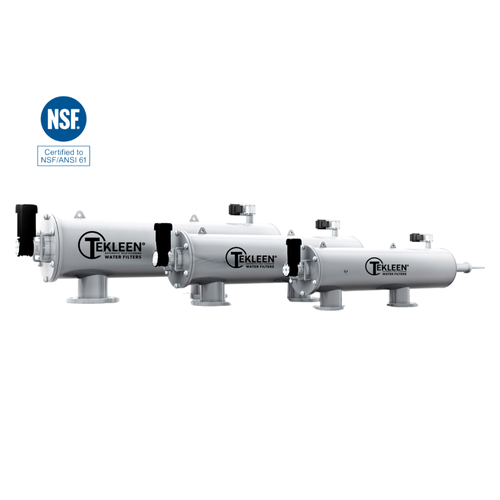
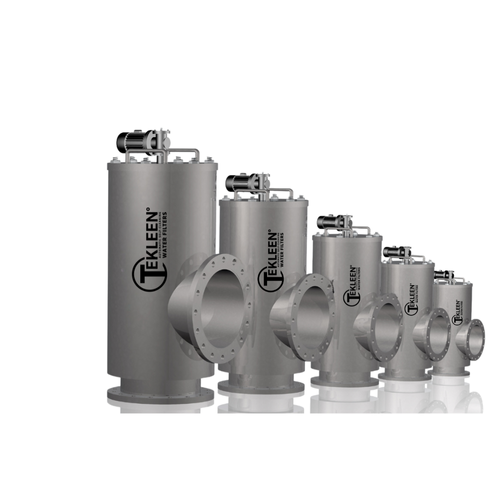
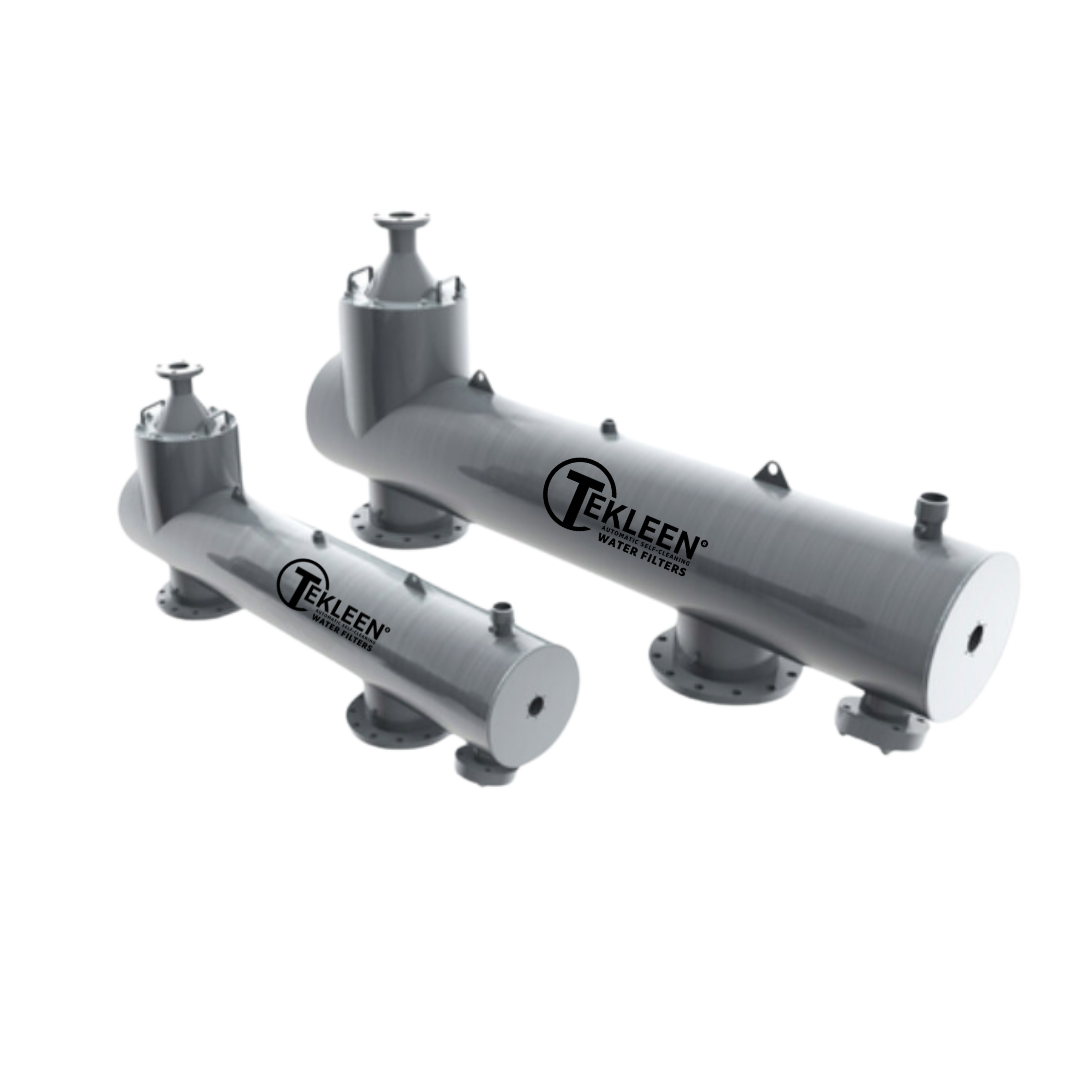
Self-Cleaning Water Filters for Oil Production are especially useful where continuous operation is important. Automatic cleaning helps maintain filtration performance without frequent manual intervention, allowing operators to protect equipment while reducing labor and system interruption.
In many applications, cleaner water can also improve flow consistency and support better long-term reliability. Reducing solids buildup inside the system helps limit fouling and supports more stable operation across a wide range of production conditions.
Filtration is also valuable where source water quality varies over time. Changes in water conditions can place added stress on equipment, but consistent removal of suspended solids helps reduce that impact and gives operations a more dependable level of protection.
For oil production facilities focused on uptime, maintenance reduction, and equipment protection, improved water filtration remains a practical step toward more efficient operation. Learn more from the American Petroleum Institute and water-quality resources from the U.S. Environmental Protection Agency.